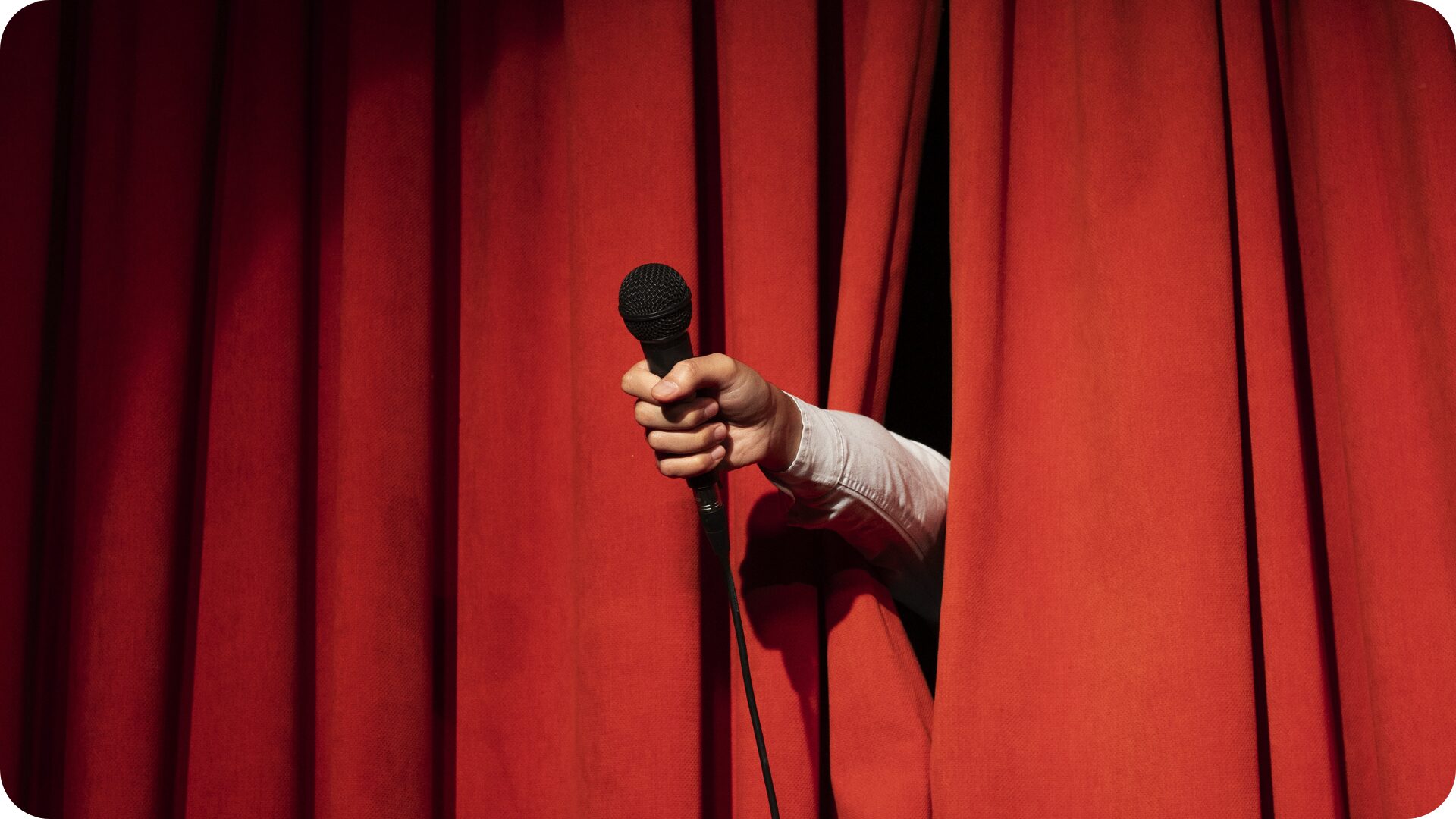
Sweaty palms. A parched throat. The unmistakable flutter of adrenaline in your chest. This isn’t the prelude to a confession, it’s the lead up to a presentation. But let’s not underestimate what that means. When the room is full of people whose opinions carry weight, the stakes are real.
Sound familiar? You’re not alone. Most people in business quietly wrestle with nerves and pretend they don’t. Here’s the thing though, being nervous might be a good sign.
I once raised the subject with a Grammy Award winner, assuming that years of performing before thousands of people had long since rendered him immune to pre-show nerves. He told me the pressure never went away, he just got better at working with it. And then he said something that stuck: the day he stopped feeling nervous before going on stage would be the day he quit. No tension meant he didn’t care. And if he didn’t care about his audience, they’d soon stop caring about him.
Those words reframed something I had long misread as a personal shortcoming. Through experience, deliberate reflection and a fair amount of repetition, I’ve learned to manage that pressure, so it doesn’t overwhelm but instead sharpens focus and generates energy. Here are my four personal tips, things I do before an important performance.
First: breathing. Longer exhale than inhale, every time. I breathe in for 4 counts, out for 8, at least three rounds. It sounds almost too simple. It isn’t.
Second: focus on the first 30 seconds. I don’t try to mentally rehearse the whole talk. I just nail the opening lines, over and over, like a broken record. Once you’re rolling, the rest follows.
Third: move around. Standing stiff backstage just lets the anxiety pool in your legs. Walk it off. Shake it out. The body needs somewhere to send all that adrenaline.
Fourth: eat something. More often than not, I lose my appetite before a performance. My stomach starts sending signals hours in advance. Still, eating something is important, something light, something wholesome. A full stomach is just as unhelpful as an empty one.
What works is, of course, personal. Some rely on music, others on rituals or conversation. What matters is having a system and trusting it.
These four tips work for me. Maybe they’ll work for you too. Your hands may still be damp when you take the floor. But that’s not a sign of weakness. It’s a sign that your audience still matters to you.
Warm regards, Ralph